Grayworld II [wip]
Combining BSP + Procedural + Modules for city-scale level design blockout
Overview
Grayworld II is an ongoing technical exercise in creating NYC as a game level. My goal is plumbing the intersection of level design and environment creation by deliberately combining and breaking down different pipeline and authoring methods to really examine what do you get out of:
- The fully bespoke BSP approach (Scythe)
- The procedural approach (Houdini)
- The traditional modular mesh approach
Grayworld II expands from the single-building vertical slice scope of Grayworld I to full open city scale.
- Tools
- Unreal Engine 5, Houdini, Blender
- Year
- 2025-2026
The objective this time is not scene or asset polish. It is scale, pipeline, level design and spatial intelligence.
Current State
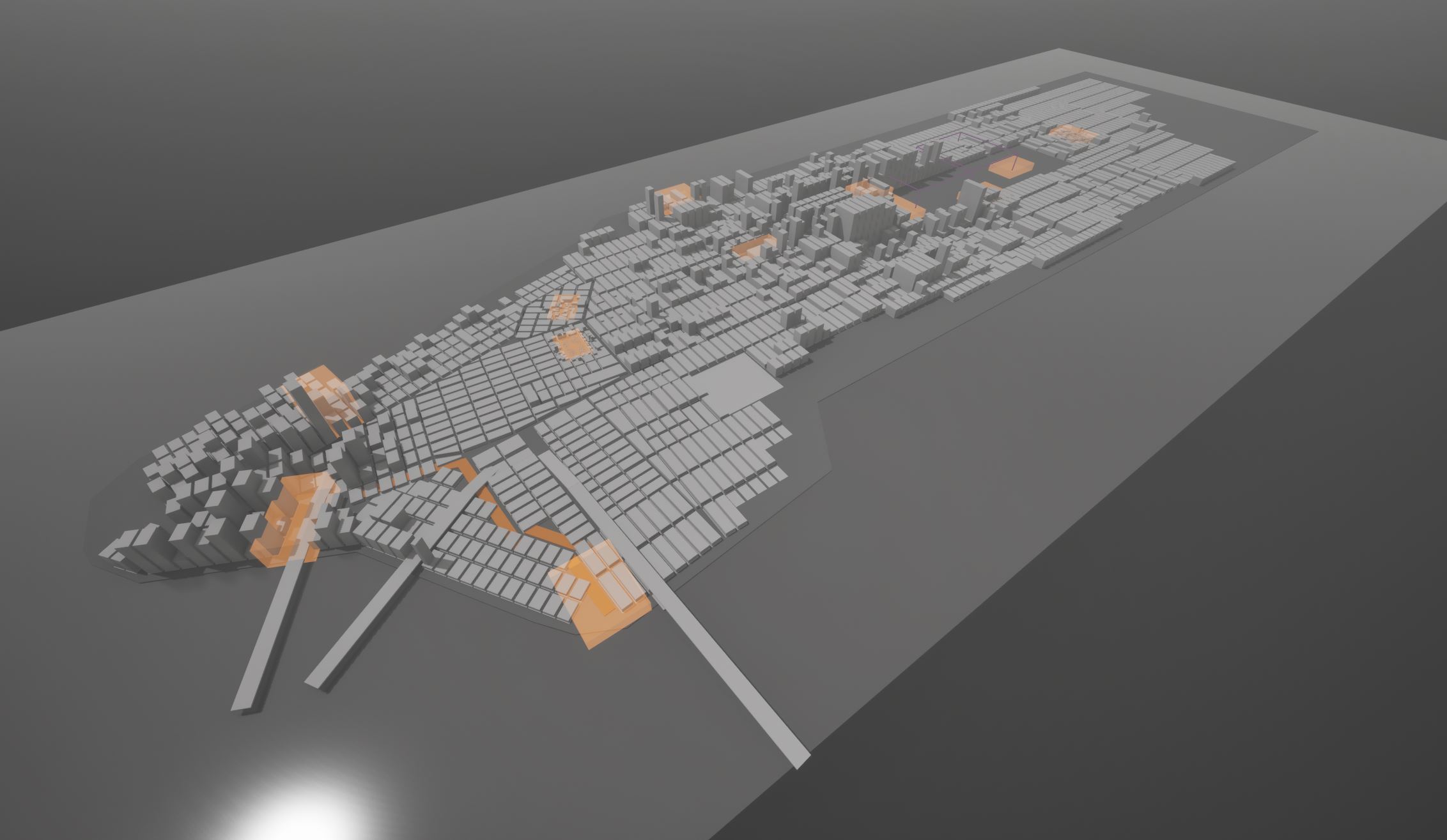
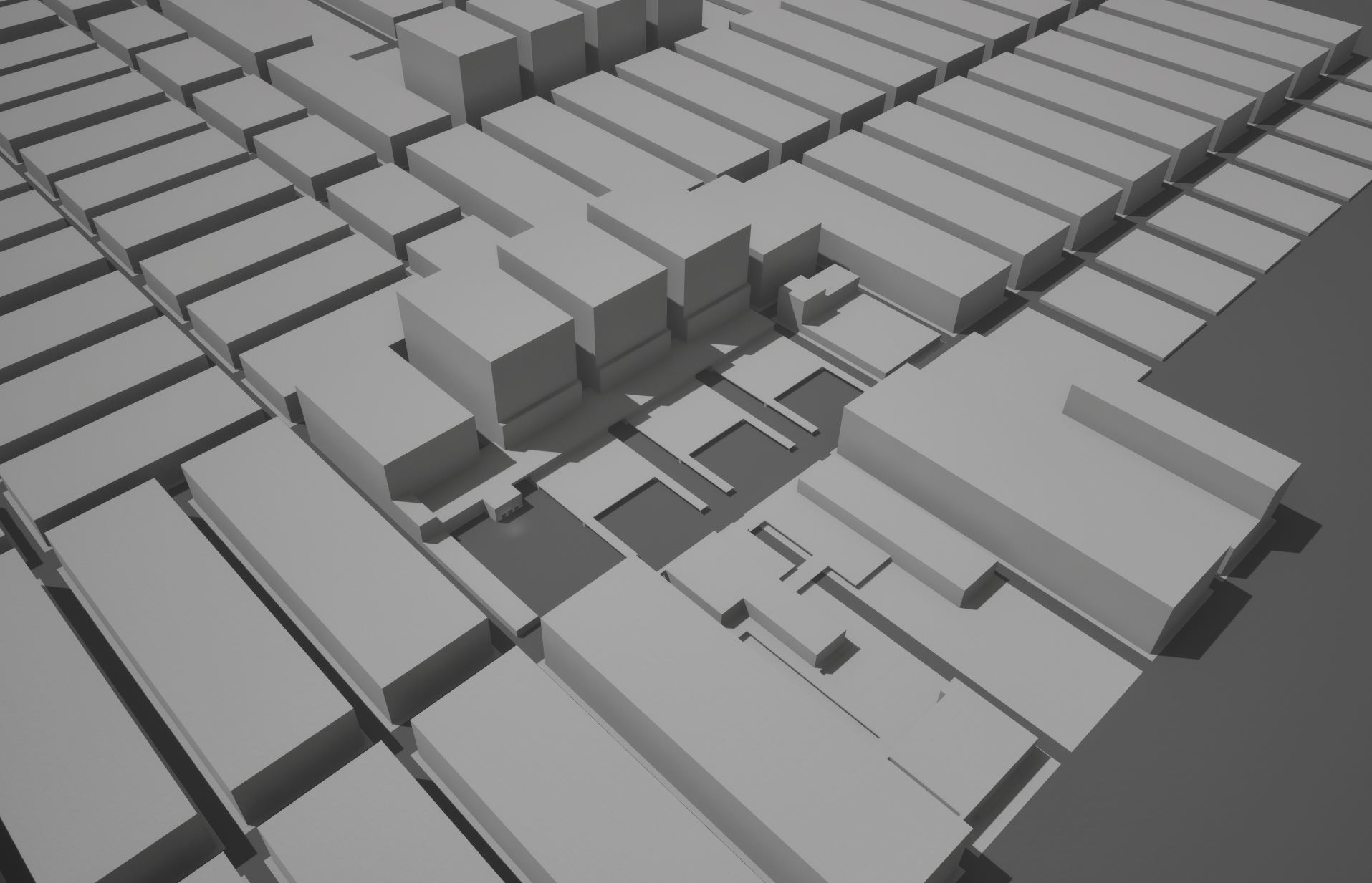
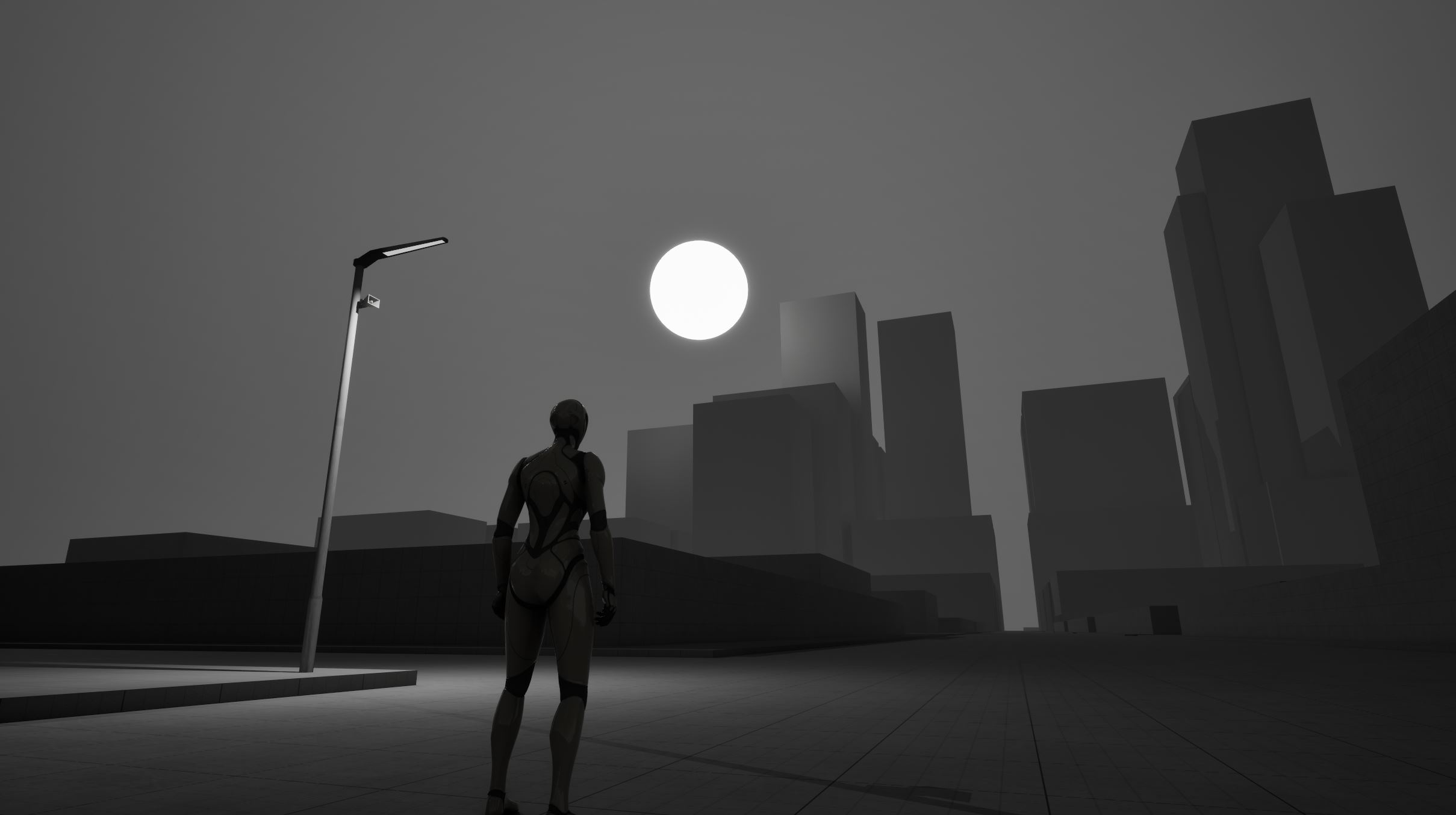
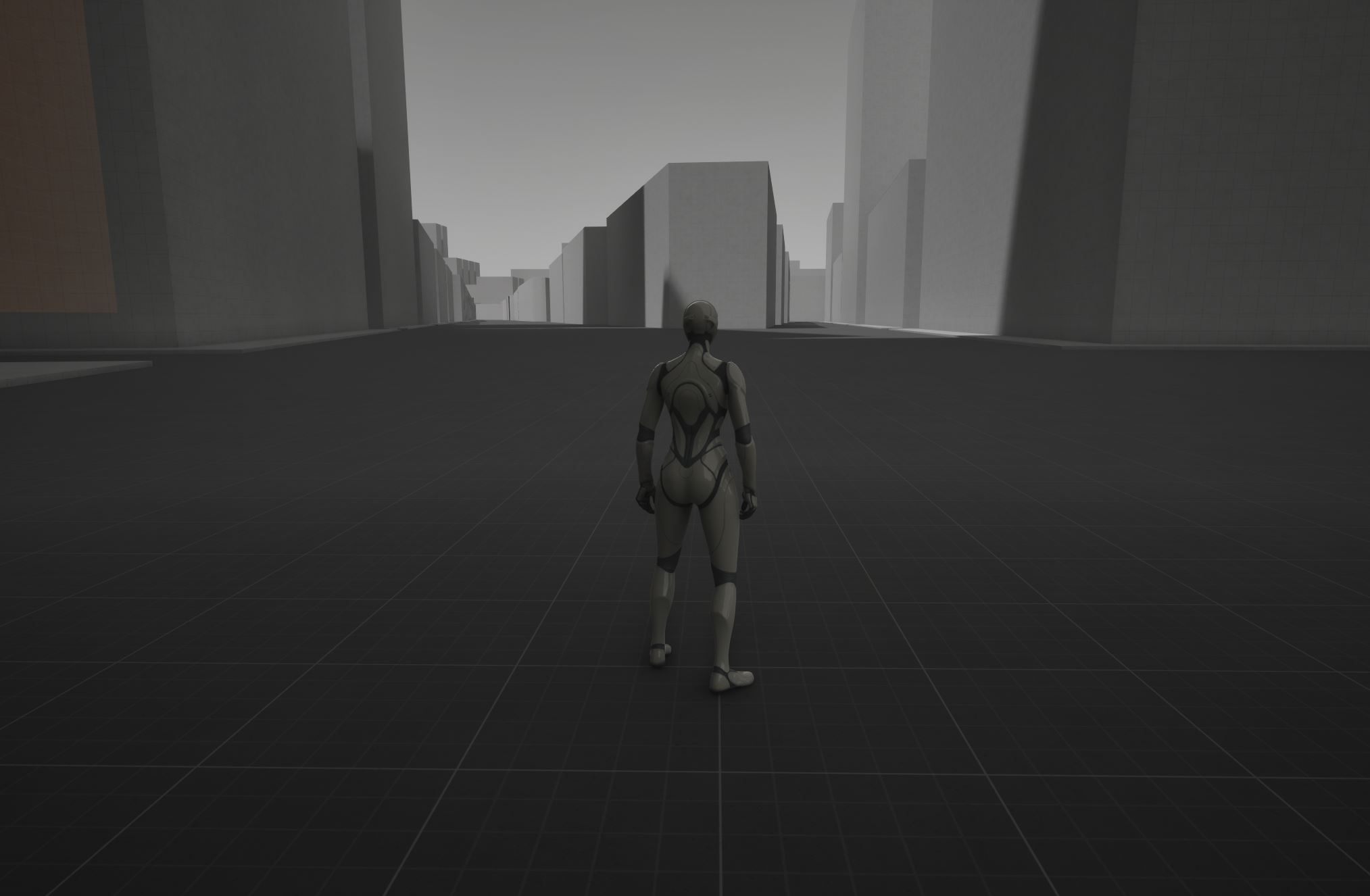
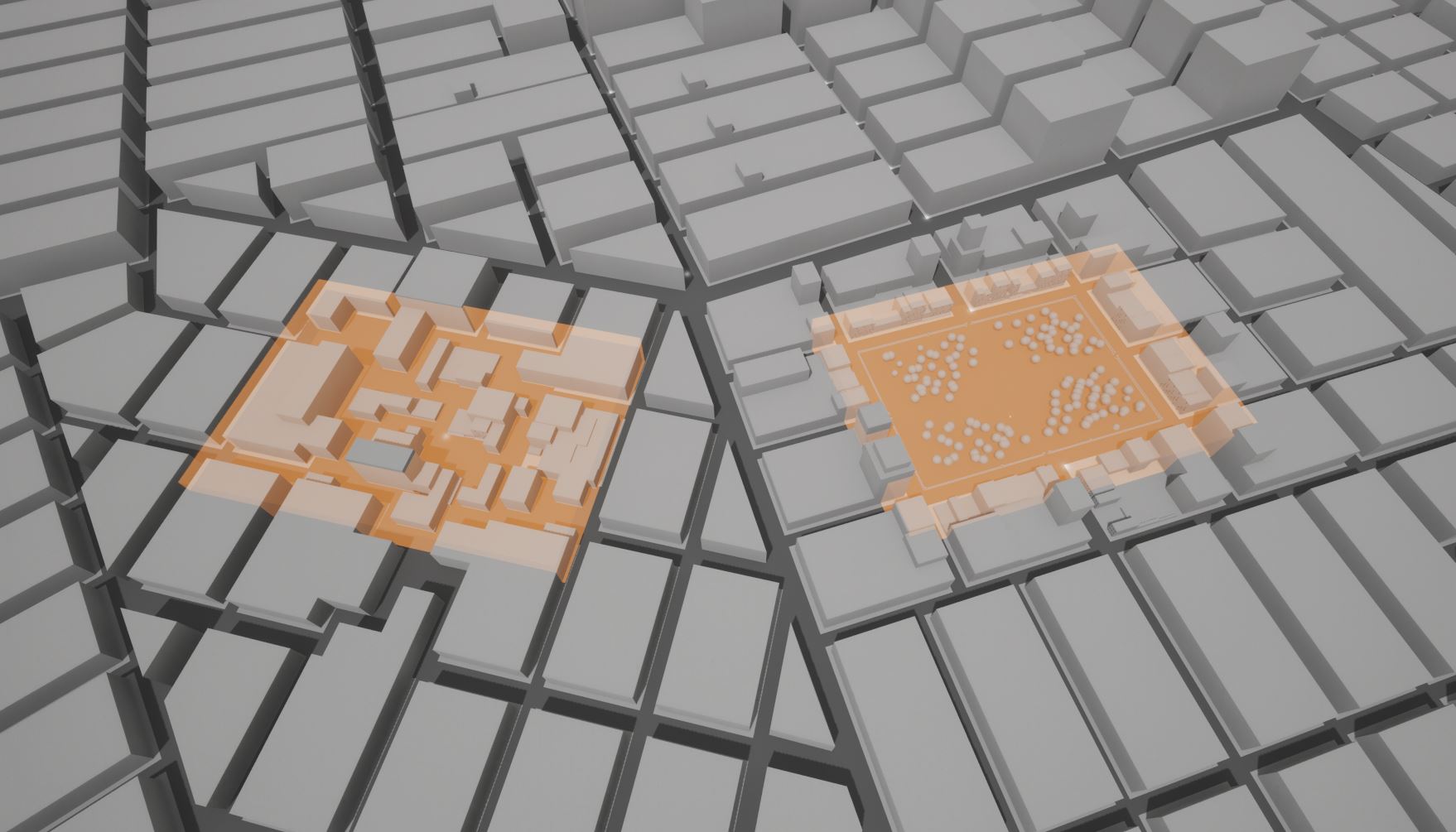
The current pass is about 1/2 scale NYC in real units. There’s several district-level POIs. Many blocks are still literally blocks. I’m working on tools for handling the complexity and irregularity of NYC streets and blocks while avoiding a Houdini megatool.
We’ve all seen the SideFX x Epic UE5 Matrix city; this is not that. My mental model for this NYC is closer to GTA4 or Deadlock, heavy on level design and the bespoke and organic nature of a semi-planned, semi-grown world.
Iteration Log
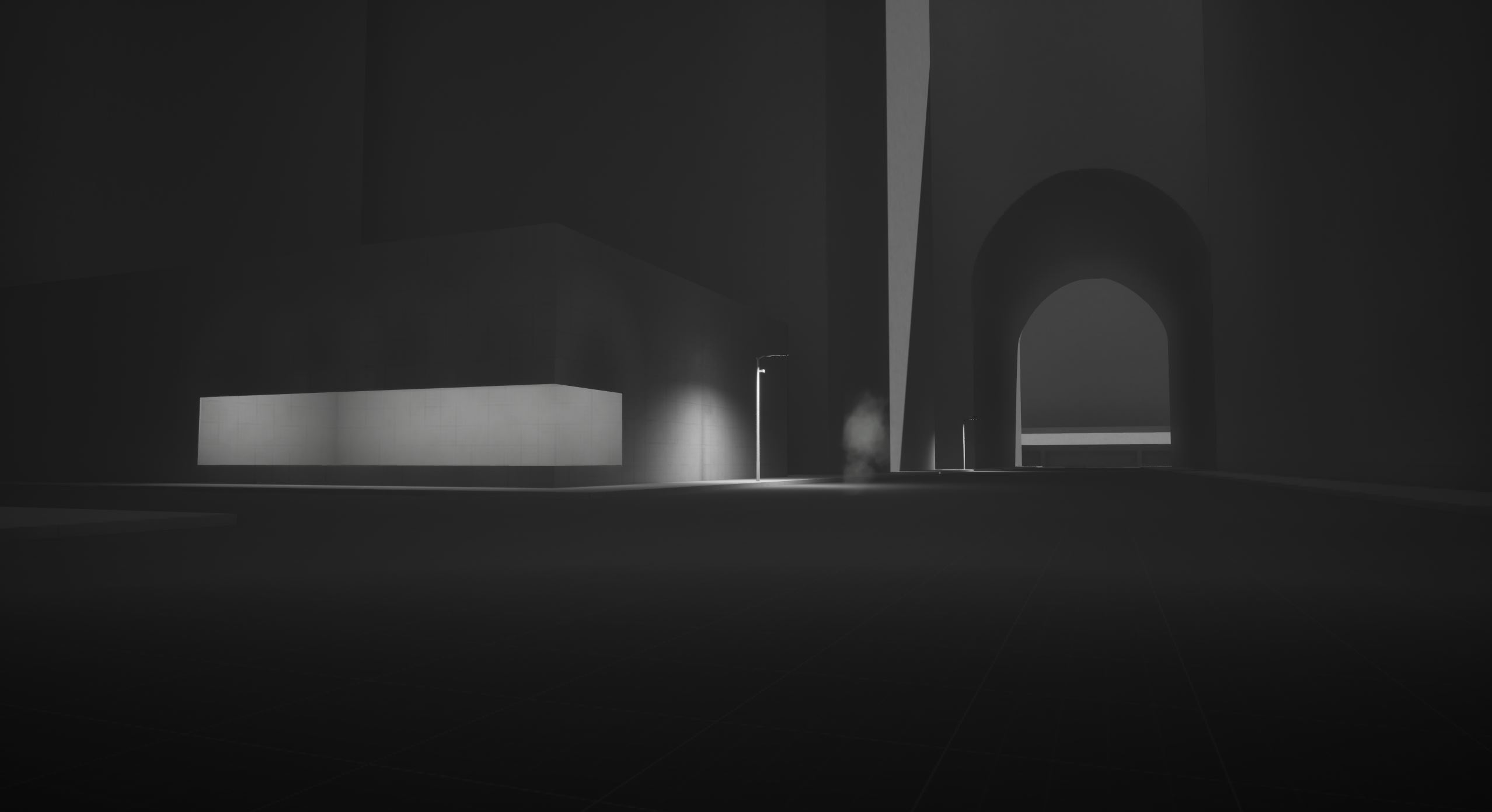
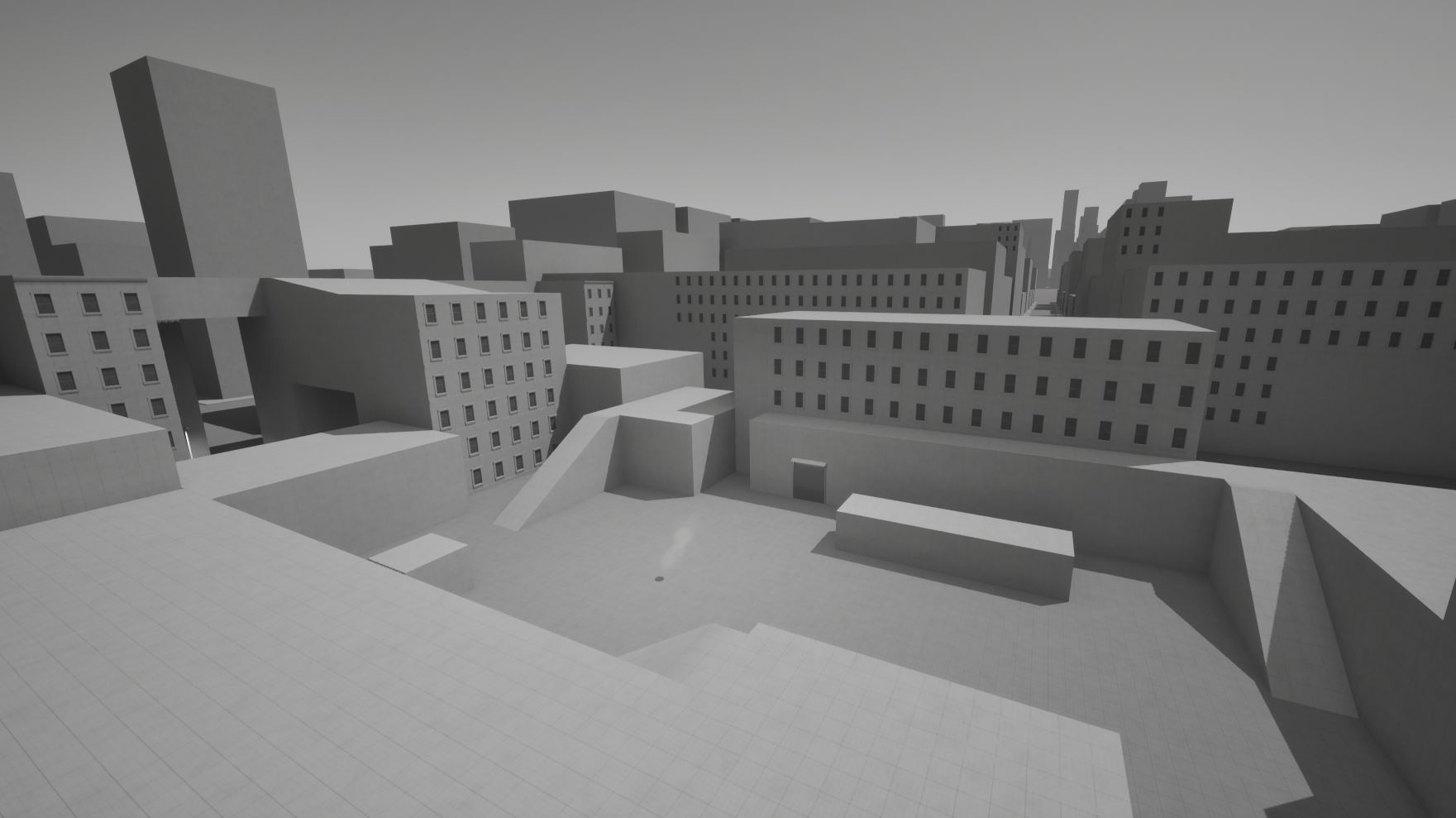
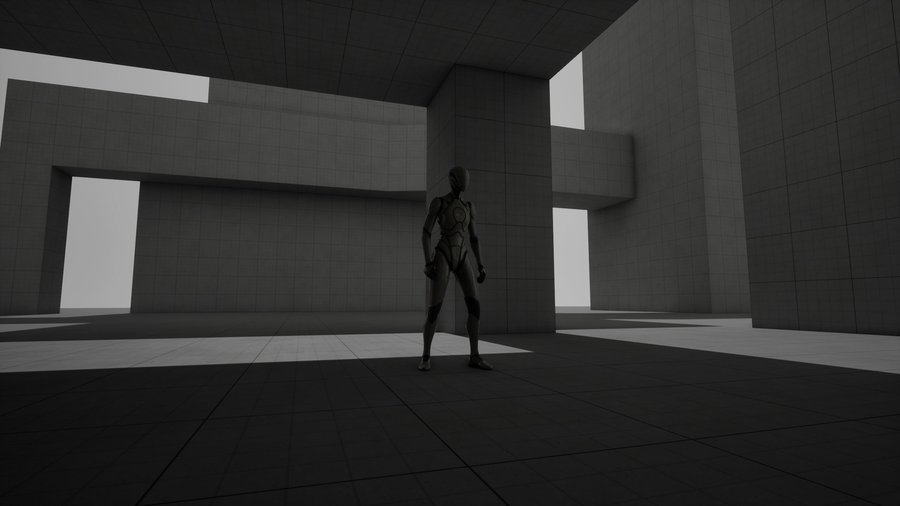
The project is documented through incremental development posts. Each entry records the technical state at that point: module set expansions, pipeline additions, lighting tests, and validation milestones moving from isolated module tests into the current city build.
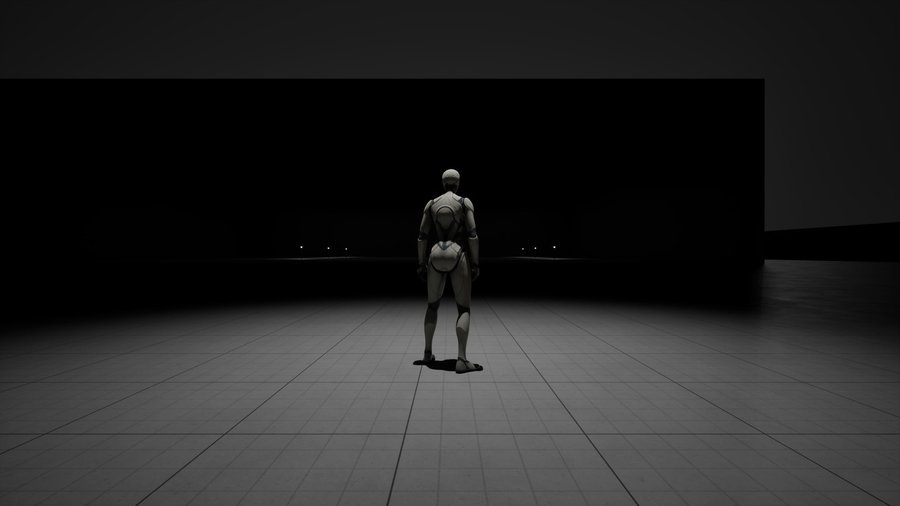
 Grayworld II - 01
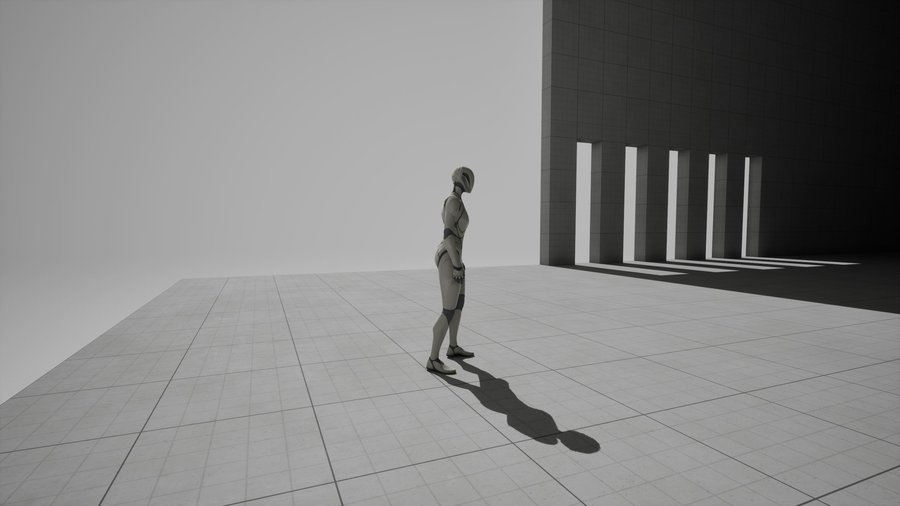
  Grayworld II - 02
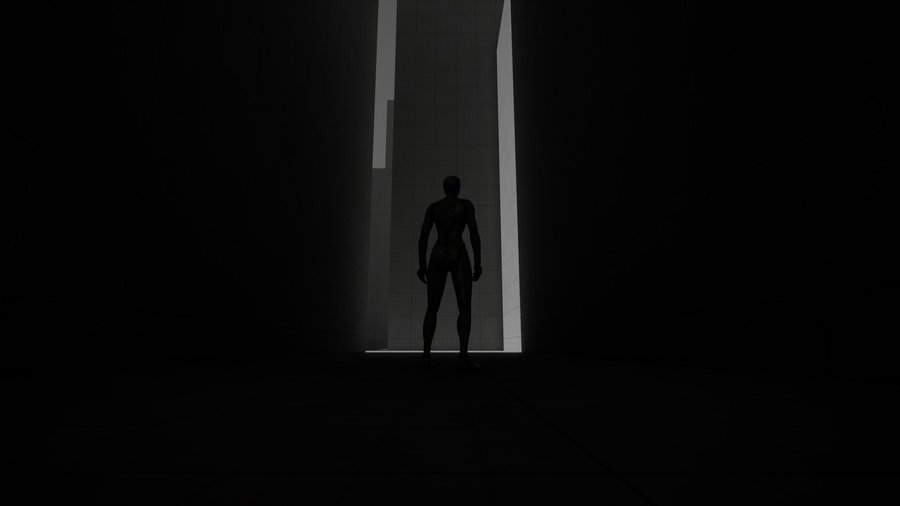
  Grayworld II - 03
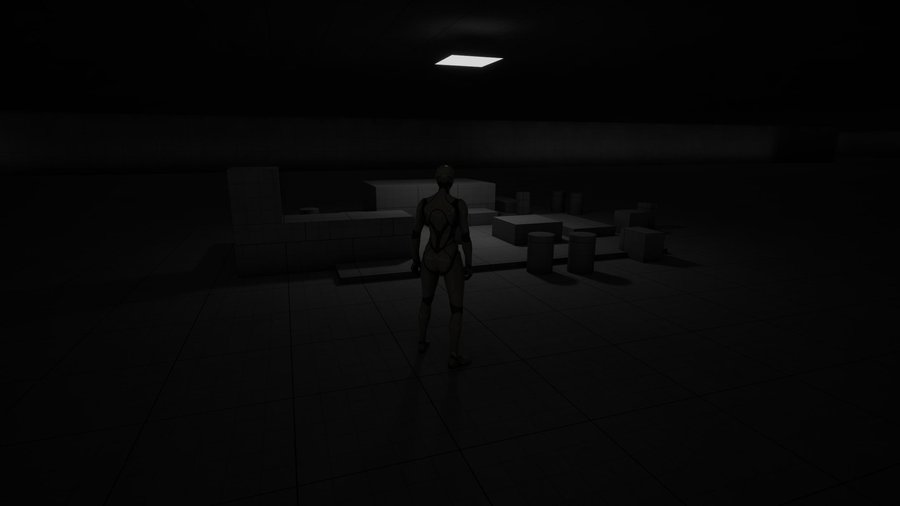
  Grayworld II - 04
  Grayworld II - 05
 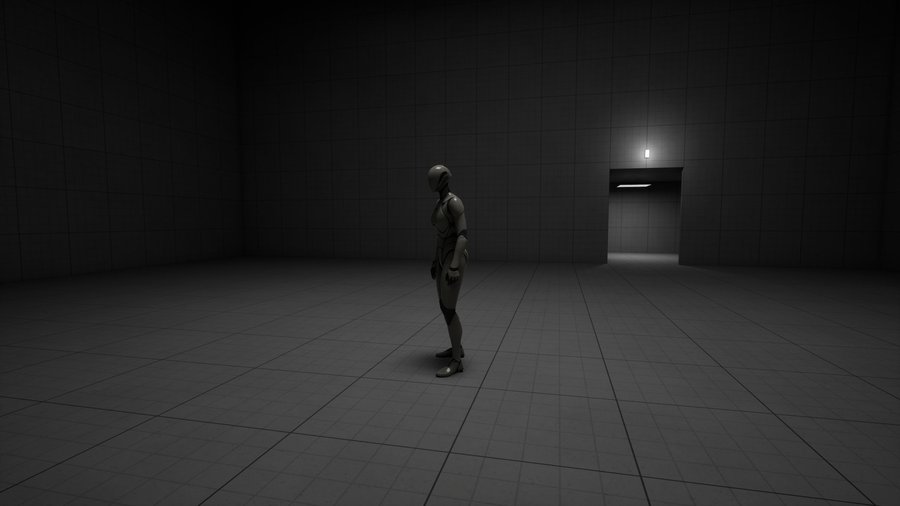 Grayworld II - 06
 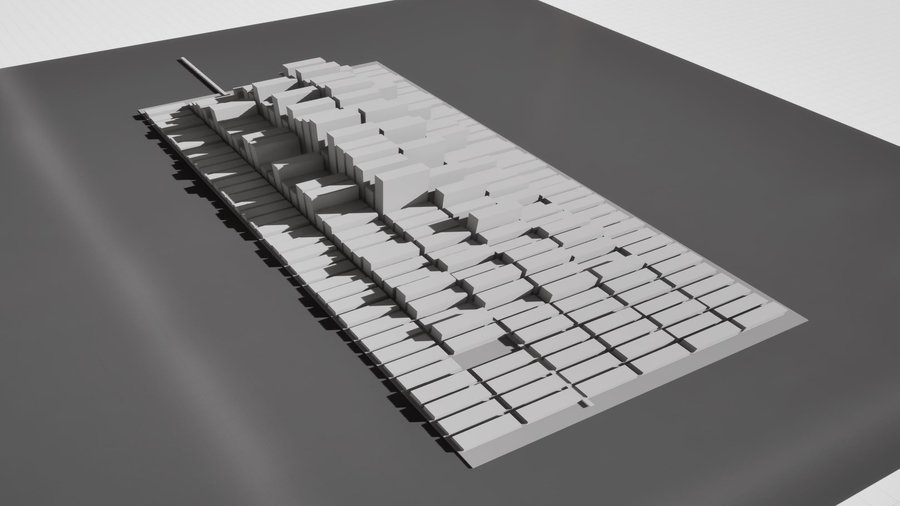 Grayworld II - 07
 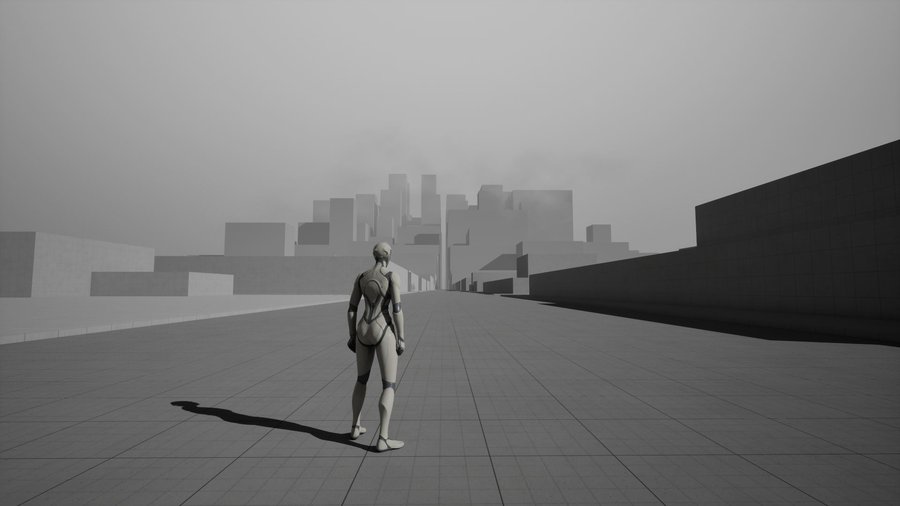 Grayworld II - 08
 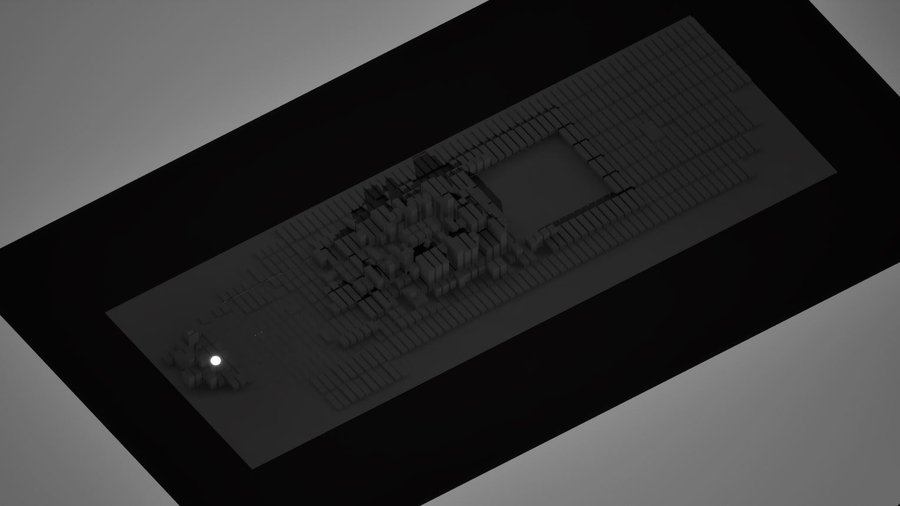 Grayworld II - 09
 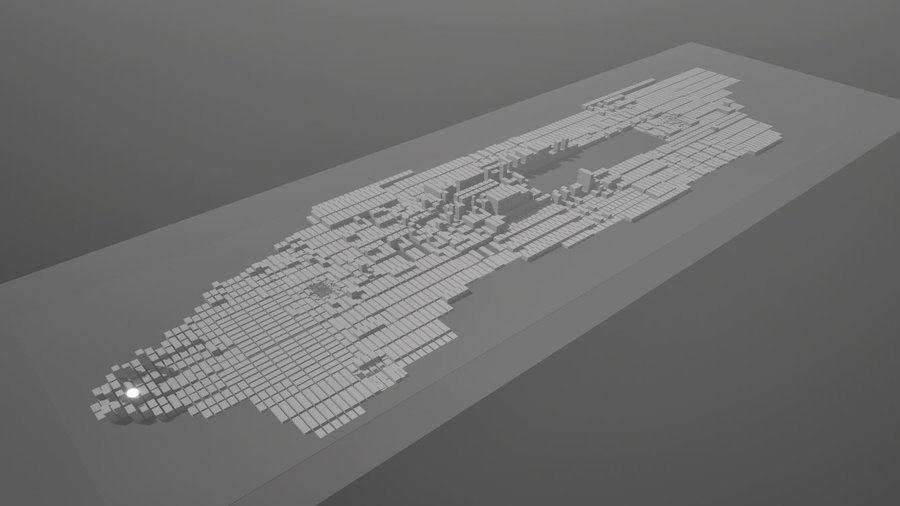 Grayworld II - 10
 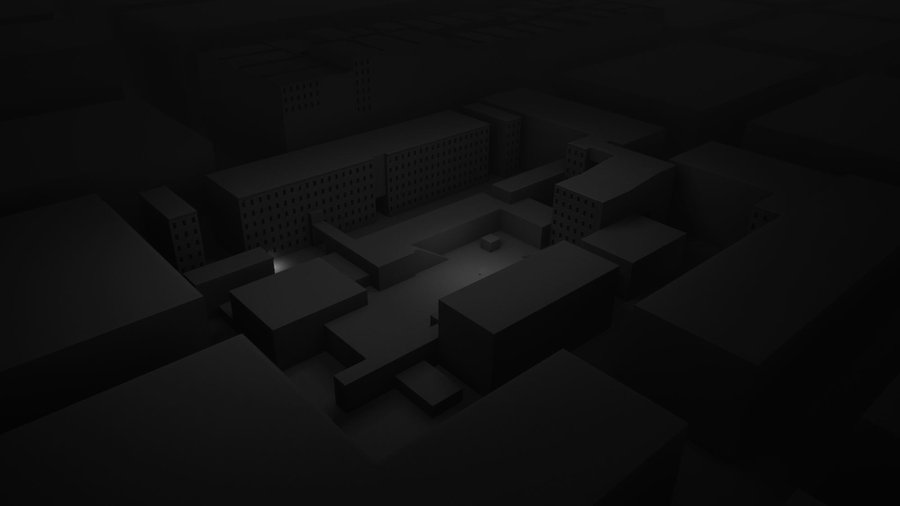 Grayworld II - 11
 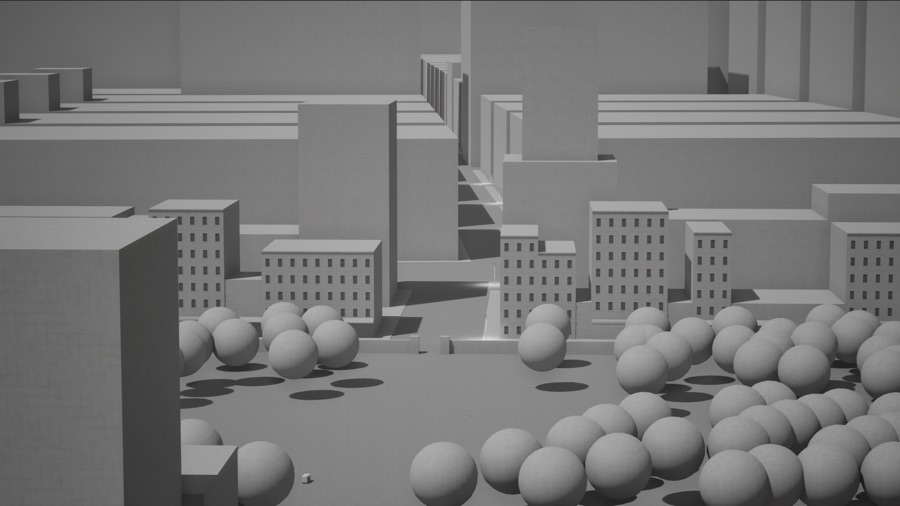 Grayworld II - 11.5
 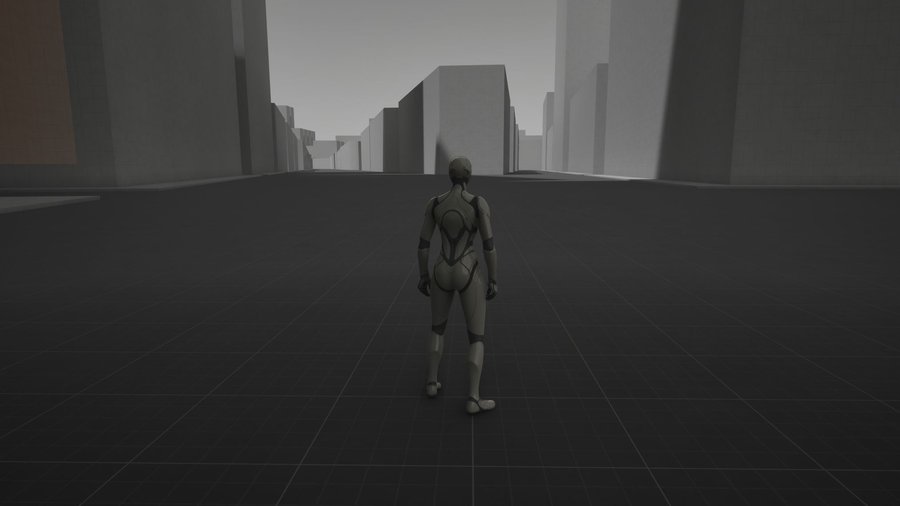 Grayworld II - 12
 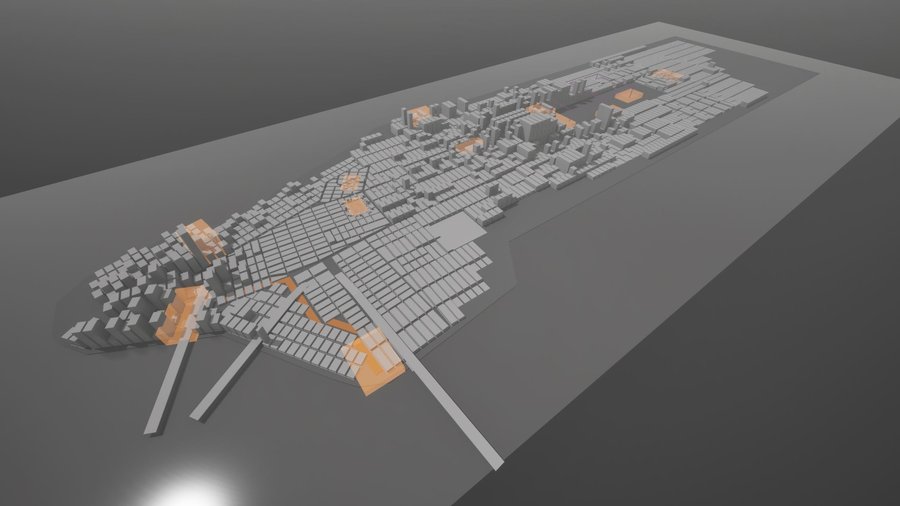 Grayworld II - 13